The laminates sector has witnessed significant transformation in recent years, driven by rising demand for decorative surfaces, durable panels, and high-performance composite materials. As infrastructure development, interior design trends, and modular furniture production expand globally, manufacturing efficiency has become a decisive factor in competitiveness. Within this evolving landscape, paper impregnating plants manufacturers play a pivotal role in enabling consistent resin application, uniform curing, and enhanced surface quality for laminate production.
Modern laminate manufacturing relies on precision-controlled resin saturation of base sheets to achieve structural strength, moisture resistance, and aesthetic appeal. As production volumes increase and quality expectations intensify, advanced machinery becomes essential for meeting both performance and scalability requirements.
Evolution of Laminate Manufacturing Technology
Traditional laminate production systems were often limited by manual adjustments and inconsistent resin distribution. Contemporary automated solutions integrate precision sensors, digital controls, and high-speed drying systems to ensure consistent output.
Technological improvements have introduced:
- Uniform resin saturation control
- Automated tension regulation systems
- Energy-efficient drying chambers
- Real-time quality monitoring
These advancements enhance operational efficiency while maintaining high product standards.
Meeting Rising Global Demand
The global construction and furniture industries continue to expand, creating sustained demand for laminate sheets in residential, commercial, and industrial applications. Decorative laminates, compact panels, and high-pressure laminates require precise resin treatment to ensure durability and aesthetic consistency.
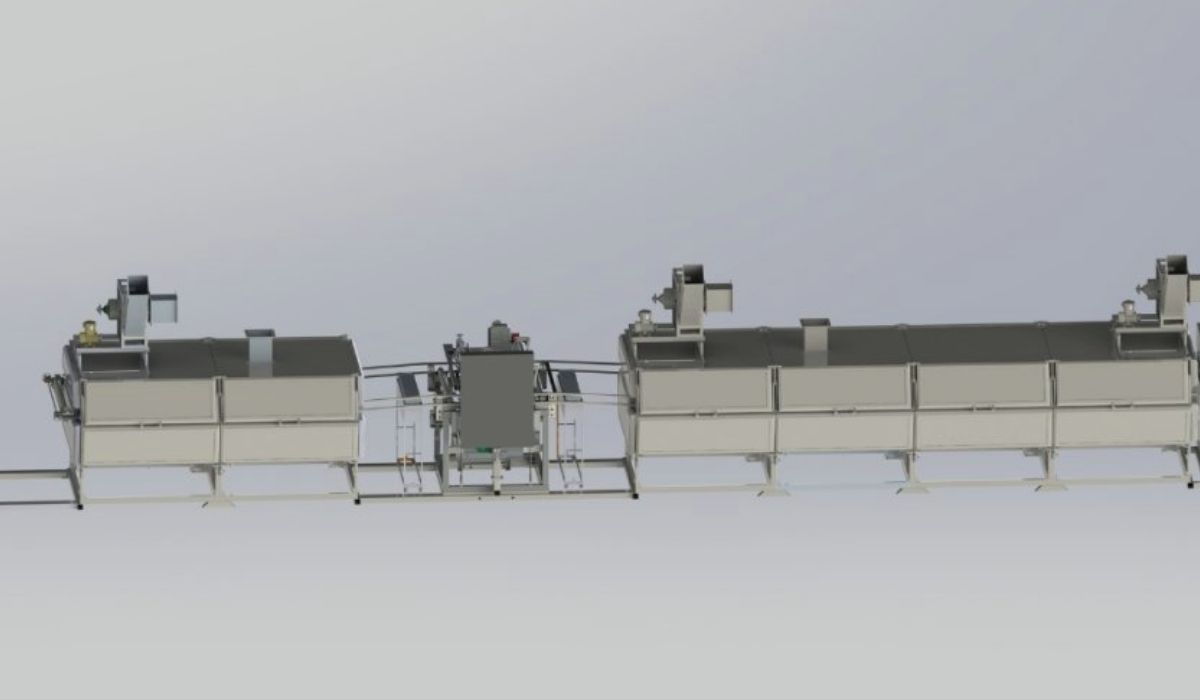
An advanced paper impregnation plant ensures that resin penetration remains uniform across substrate layers, resulting in enhanced bonding strength and resistance to environmental stress.
Growing demand is influenced by:
- Rapid urban development
- Increased interior renovation projects
- Expanding export markets
- Preference for durable, cost-effective materials
Manufacturers must therefore invest in efficient production systems to maintain competitiveness.
Precision and Quality Control
Consistency is crucial in laminate production. Variations in resin saturation or curing can lead to surface imperfections, delamination, or reduced structural integrity. Advanced systems incorporate automated controls that monitor viscosity, temperature, and coating thickness.
Quality-driven features include:
- Controlled resin flow systems
- Automated defect detection mechanisms
- Multi-stage drying configurations
- Precision calibration of processing speeds
These measures ensure reliable performance and reduced rejection rates.
Energy Efficiency and Sustainability
Sustainability has become a defining factor in industrial investment. Modern manufacturing facilities prioritise energy-efficient heating systems, optimised airflow management, and reduced material wastage.
Energy-conscious systems support:
- Lower fuel consumption
- Reduced emissions
- Improved heat recovery
- Environmentally responsible production
Efficiency not only lowers operational costs but also aligns with environmental compliance standards.
Automation and Digital Integration
Industry 4.0 technologies are reshaping production floors. Integrated control panels, remote monitoring, and predictive maintenance systems enhance operational reliability.
Digital integration provides:
- Data-driven performance analysis
- Reduced downtime through predictive diagnostics
- Streamlined maintenance scheduling
- Enhanced production planning
Manufacturers that adopt intelligent systems gain improved transparency and production agility.
Scalability and Customisation
As market demands diversify, production flexibility becomes critical. Modern facilities require machinery capable of adjusting to varied sheet widths, resin types, and curing parameters.
Industrial leaders such as ambica industries demonstrate how custom-engineered solutions can address specific production needs. Tailored machinery configurations allow manufacturers to optimise throughput while maintaining product integrity.
Customisation capabilities support:
- Variable speed operation
- Adaptable sheet handling systems
- Multi-layer saturation processes
- Compatibility with diverse resin formulations
This adaptability ensures that facilities remain competitive in evolving markets.
Reduced Operational Downtime
Advanced engineering minimises mechanical failure and enhances durability. Automated lubrication systems, corrosion-resistant components, and improved roller designs extend equipment lifespan.
Reduced downtime contributes to:
- Higher production consistency
- Lower maintenance expenses
- Improved delivery timelines
- Increased overall productivity
Reliability strengthens customer confidence and operational stability.
Strengthening Export Potential
High-performance laminate production requires compliance with international standards. Modern resin saturation systems enable manufacturers to meet export-grade specifications for durability and finish.
Global competitiveness depends on:
- Consistent surface quality
- Uniform thickness control
- Enhanced bonding strength
- Reliable curing performance
Advanced machinery ensures adherence to these requirements.
Supporting Innovation in Decorative Surfaces
Consumer preferences increasingly favour textured, high-gloss, and specialised finish laminates. Achieving such finishes demands precision in resin application and curing cycles.
Innovative manufacturing systems enable:
- Controlled surface texture formation
- Consistent colour integration
- Uniform finish quality
- Enhanced resistance to wear and moisture
Such capabilities support creative design trends within the interior décor market.
Conclusion
The laminates industry continues to evolve as demand for durable, aesthetically refined surfaces grows worldwide. Investment in advanced manufacturing systems enhances precision, scalability, energy efficiency, and export competitiveness. Automation, digital monitoring, and custom engineering collectively drive operational excellence.
For organisations seeking dependable solutions in advanced impregnation plant technology, Ambica Industries provides expertise rooted in precision engineering and sustainable industrial design. Through innovation and quality-focused production systems, manufacturers can meet expanding market demands with confidence and efficiency.