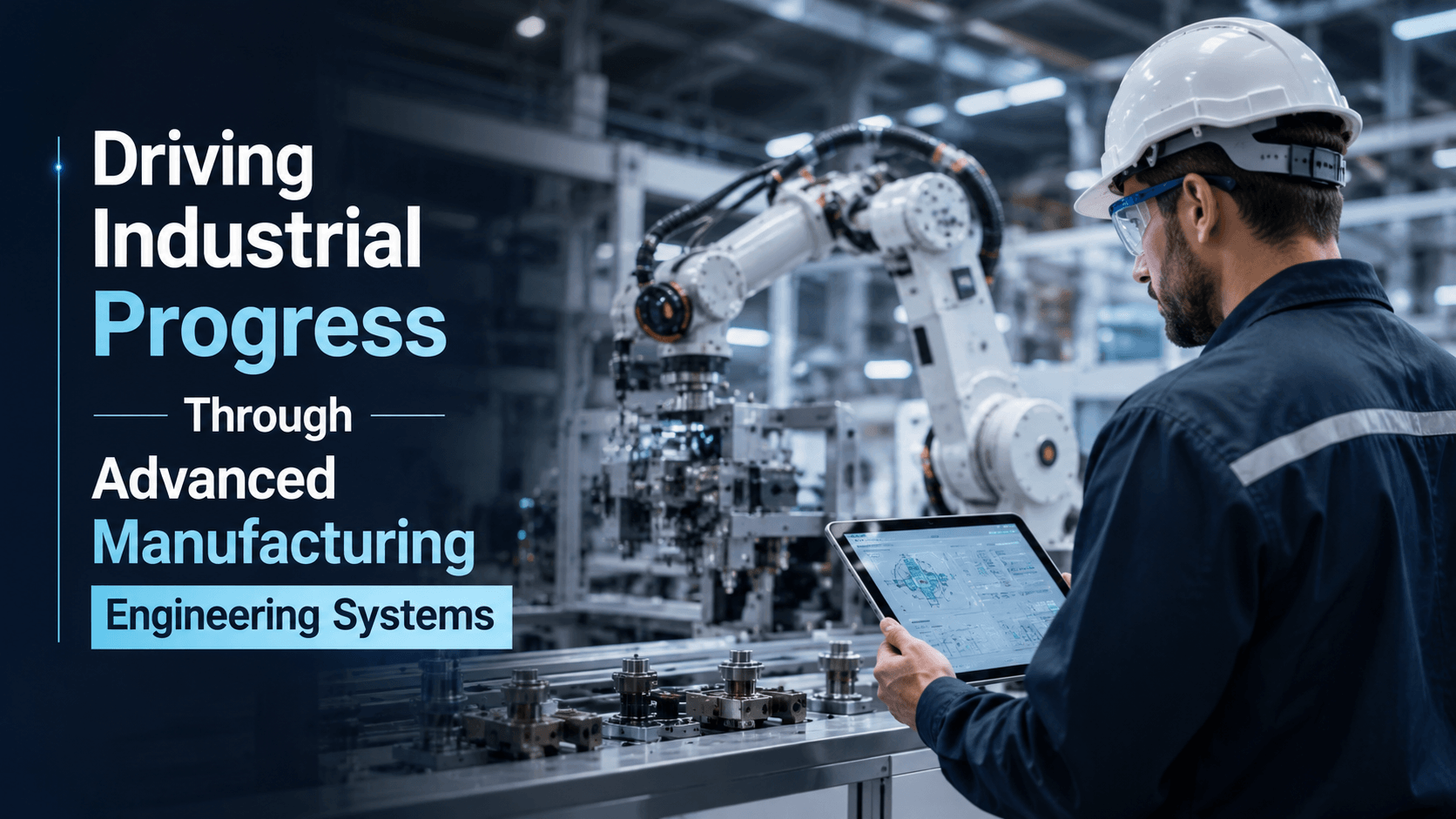
Modern production environments rely on innovation, precision, and efficiency to meet increasing market demands. Businesses across multiple sectors continue to invest in advanced equipment and process optimization to improve productivity while maintaining consistent quality. Manufacturing engineering solutions play a significant role in helping industries streamline operations, reduce production challenges, and enhance overall operational performance. By combining intelligent system design with reliable machinery, manufacturers can create efficient workflows that support sustainable industrial growth.
Essential Elements of Efficient Industrial Operations
Successful manufacturing depends on several interconnected systems working together to maintain productivity and product quality. Careful planning and equipment integration contribute to smooth daily operations.
Important elements include:
- Process automation
- Accurate quality monitoring
- Reliable material handling
- Energy efficient production methods
- Preventive maintenance planning
- Skilled operational management
When these components function effectively, manufacturers can improve consistency while reducing unnecessary downtime and production losses.
How Modern Impregnation Equipment Improves Production
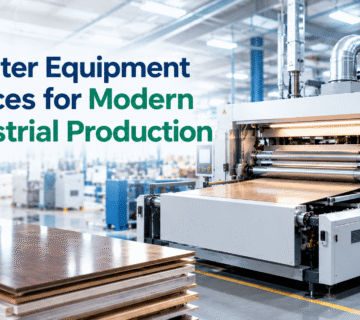
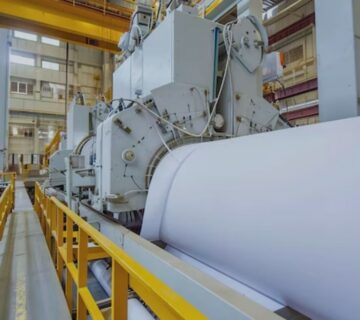
Advanced impregnation machines are designed to support controlled processing, improve operational accuracy, and enhance manufacturing efficiency. Modern equipment incorporates precision engineering that helps manufacturers achieve reliable production across different applications.
| Equipment Capability | Operational Benefit |
| Automated process control | Maintains production consistency |
| Uniform material feeding | Reduces product variation |
| Precision resin application | Improves product quality |
| Controlled drying systems | Supports stable processing conditions |
| Continuous monitoring | Enables efficient production management |
These capabilities help manufacturers maintain dependable production standards while supporting long term operational efficiency.
Why Process Optimization Matters
Industrial success is influenced not only by machinery but also by the effectiveness of production processes. Continuous improvement helps manufacturers adapt to changing requirements while maximizing available resources.
Benefits of process optimization include:
- Better resource utilization
- Reduced material waste
- Improved production accuracy
- Enhanced equipment performance
- Consistent product quality
- Greater operational flexibility
Reviewing production methods regularly allows organizations to identify improvement opportunities and maintain competitive manufacturing performance.
The Role of Engineering Expertise in Industrial Development
Organizations inspired by engineering excellence, including Genest Engineering, demonstrate how technical knowledge supports the development of reliable industrial systems. Strong engineering practices focus on designing equipment that performs consistently while adapting to evolving manufacturing requirements.
Important engineering considerations include:
- Precision mechanical design
- Reliable system integration
- Efficient thermal management
- Stable operational performance
- Flexible production capabilities
- Long term equipment durability
Engineering driven innovation enables manufacturers to improve efficiency while supporting dependable production under demanding industrial conditions.
Building Sustainable Manufacturing Systems
Long term industrial success depends on balancing productivity with operational sustainability. Manufacturers increasingly focus on improving efficiency while reducing unnecessary energy consumption and equipment wear.
Strategies that support sustainable production include:
- Implementing preventive maintenance programs
- Monitoring equipment performance regularly
- Training operators on efficient procedures
- Optimizing production scheduling
- Investing in energy conscious technologies
- Evaluating production data for continuous improvement
These practices contribute to reliable operations while helping manufacturers achieve consistent quality and better resource management.
Frequently Asked Questions
1. Why are engineering solutions important in manufacturing?
Engineering solutions improve production efficiency, equipment reliability, and product consistency while helping manufacturers optimize industrial processes.
2. How does automation improve manufacturing performance?
Automation reduces manual intervention, enhances production accuracy, improves quality control, and supports continuous operation.
3. What should manufacturers consider when selecting industrial equipment?
Factors such as production capacity, maintenance requirements, energy efficiency, automation features, and process flexibility should all be evaluated.
4. Why is preventive maintenance essential for industrial systems?
Routine maintenance reduces unexpected downtime, extends equipment lifespan, and helps maintain stable production performance.
5. How does process optimization benefit manufacturers?
Optimized processes improve efficiency, reduce waste, enhance product quality, and strengthen overall operational productivity.
Conclusion
Modern industrial operations require innovative technology, efficient production methods, and dependable engineering expertise to remain competitive. Investing in advanced systems supports stronger performance across manufacturing and engineering industries while improving productivity and long term operational reliability. Ambica Industries continues to contribute to industrial progress by delivering engineered solutions that help manufacturers enhance efficiency, maintain consistent quality, and support sustainable manufacturing growth.