In modern manufacturing, efficiency and product durability are critical factors that determine long-term success. Industries such as laminates, engineered wood, and decorative surfaces rely on specialized processes to enhance the quality of raw materials. One of the most effective solutions for achieving this transformation is the paper impregnation plant, which plays a vital role in strengthening paper and preparing it for industrial use. By integrating advanced technology and precision engineering, it enables manufacturers to produce materials that meet strict performance standards.
Understanding the Role of Industrial Impregnation Systems
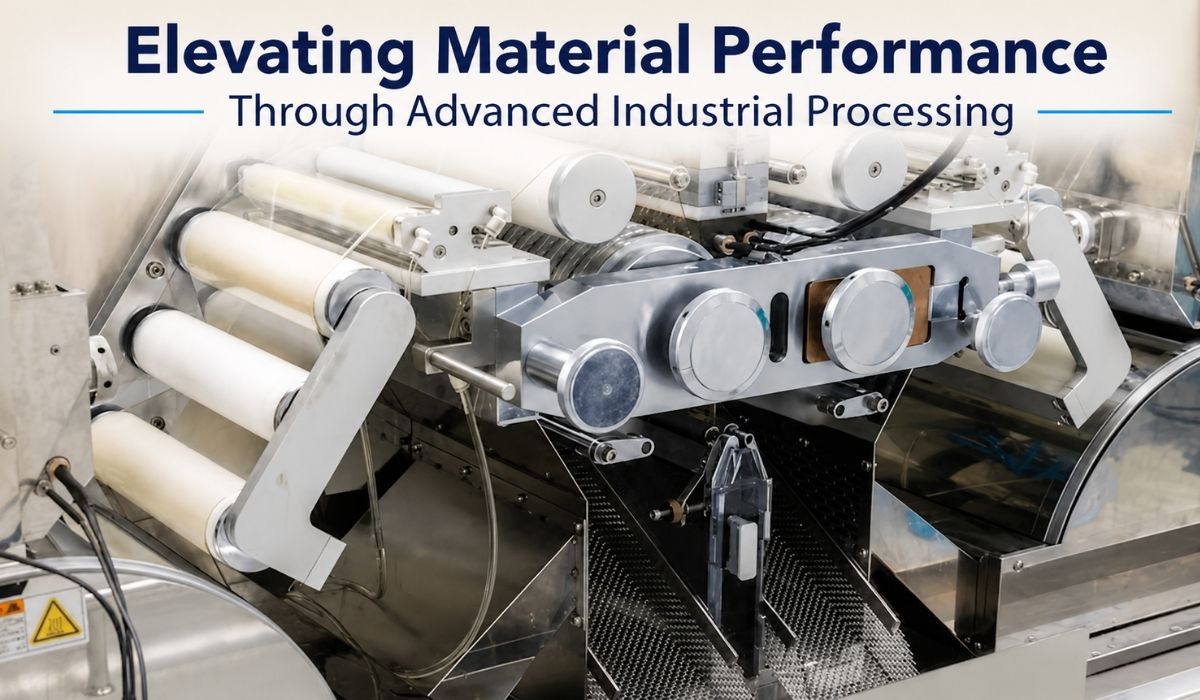
A well-designed impregnation plant is a comprehensive system that treats paper with resins such as melamine or phenolic compounds. This process enhances the physical and chemical properties of the material, making it more durable and resistant to moisture, heat, and wear.
The system typically operates through multiple stages that ensure consistent output:
- Controlled feeding of raw paper rolls
- Uniform resin application across the surface
- Efficient drying and curing for stability
- Cooling and rewinding for further processing
These stages work together to create a seamless production flow, allowing manufacturers to maintain quality across high-volume operations.
Key Components That Drive Efficiency
To achieve reliable results, these systems are equipped with several integrated components that ensure smooth functioning. Each section contributes to maintaining precision and productivity.
| Component | Function |
| Unwinding Unit | Feeds paper with proper tension control |
| Resin Application Section | Ensures even coating of resin |
| Drying Chambers | Removes moisture and cures the material |
| Cooling Zone | Stabilizes treated paper |
| Rewinding Unit | Prepares finished rolls for storage |
These components are carefully designed to operate in coordination, ensuring minimal downtime and consistent performance throughout the production cycle.
Benefits of Advanced Impregnation Technology
Modern systems offer a wide range of advantages that support industrial growth and operational efficiency. Manufacturers benefit from improved processes and higher-quality output.
Some of the key benefits include:
- Enhanced Durability: Treated paper becomes stronger and more resistant to environmental factors
- Consistent Quality: Automated systems ensure uniform resin distribution
- High Production Speed: Designed for continuous operation with minimal interruptions
- Energy Efficiency: Optimized drying systems help reduce energy consumption
- Reduced Waste: Precision controls minimize material loss
These advantages allow businesses to scale production while maintaining strict quality standards.
Driving Innovation in Manufacturing Processes
Industrial progress depends on the ability to adopt new technologies and improve existing systems. Companies like Ambica industries play an important role in advancing manufacturing capabilities by providing innovative machinery and engineering solutions.
Their expertise lies in designing systems that combine performance, durability, and adaptability. By focusing on precision engineering and modern automation, they help manufacturers achieve reliable results while optimizing operational efficiency.
Such contributions support industries in meeting increasing demand while maintaining high standards of quality and consistency.
Applications Across Multiple Industries
Impregnated paper is widely used in various sectors due to its enhanced properties. Its versatility makes it an essential material in modern manufacturing.
Key applications include:
- Decorative laminates used in furniture and interiors
- Flooring materials that require durability and resistance
- Pre-laminated boards such as MDF and particleboard
- Industrial packaging solutions
- Specialty papers for technical applications
These applications highlight the importance of advanced processing systems in supporting diverse industrial needs.
Frequently Asked Questions
1. What is the purpose of a paper impregnation system?
It is used to treat paper with resins to improve strength, durability, and resistance to environmental conditions.
2. What industries benefit from this technology?
Industries such as laminates, furniture manufacturing, flooring, and packaging commonly use treated paper materials.
3. Can the system handle different types of paper?
Yes, modern systems are designed to process various paper grades depending on the application.
4. How does impregnation improve product quality?
It enhances physical properties like strength and moisture resistance, ensuring longer-lasting materials.
5. Is the process energy efficient?
Advanced systems are equipped with optimized drying and control mechanisms that help reduce energy consumption.
Conclusion
As industries continue to evolve, the demand for reliable and efficient manufacturing solutions grows stronger. Advanced impregnation systems have become essential in producing high-performance materials that meet modern requirements.
By working with experienced paper impregnating plants manufacturers, businesses can ensure access to technology that supports consistent production and long-term efficiency. With a strong commitment to innovation and engineering excellence, Ambica Industries continues to play a key role in supporting industrial growth and delivering dependable solutions for manufacturers worldwide.