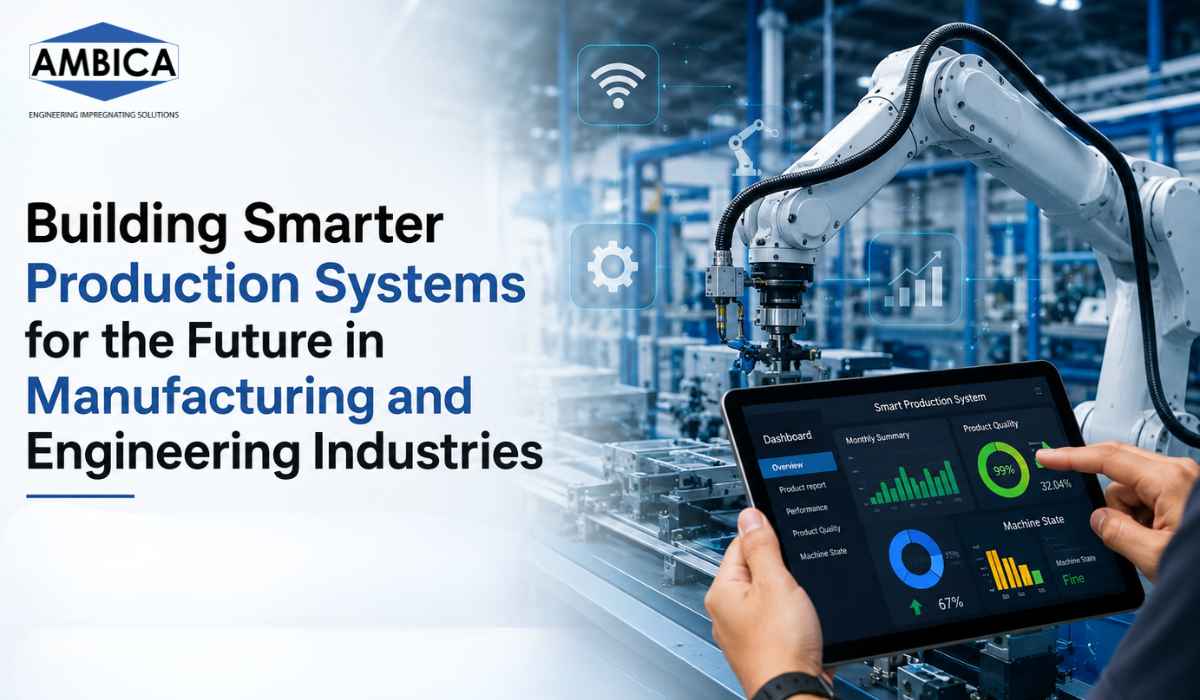
Industrial growth depends on innovation, precision, and the ability to adapt to evolving production demands. Across sectors such as construction, furniture, electrical equipment, and industrial materials, advanced engineering has transformed the way products are designed and manufactured. Modern manufacturing and engineering industries rely on automated processes, quality control systems, and efficient production planning to achieve consistent results while reducing waste. As customer expectations continue to rise, businesses are investing in technologies that improve productivity, optimize resources, and maintain high standards throughout every stage of manufacturing.
How Engineering Drives Industrial Innovation
Engineering serves as the foundation of every successful manufacturing operation. From designing production lines to improving process efficiency, it enables industries to manufacture reliable products while maintaining operational consistency.
Some important contributions include:
- Automation of production processes
- Precision equipment design
- Energy-efficient manufacturing methods
- Improved quality assurance systems
- Faster production workflows
- Sustainable resource utilization
These advancements allow businesses to remain competitive while responding effectively to changing market requirements.
Lessons from Genest Engineering in Industrial Development
Organizations such as Genest Engineering demonstrate the importance of combining technical expertise with practical manufacturing strategies. Successful engineering practices focus on building systems that improve reliability, flexibility, and long-term operational performance rather than simply increasing production speed.
| Engineering Objective | Practical Approach | Long-Term Value |
| Process consistency | Automated monitoring | Better product quality |
| Resource optimization | Efficient production planning | Lower operational costs |
| Equipment reliability | Preventive maintenance | Reduced downtime |
| Flexible manufacturing | Modular production systems | Easier future expansion |
| Quality improvement | Continuous performance evaluation | Greater customer satisfaction |
By adopting structured engineering approaches, manufacturers can improve productivity while maintaining consistent operational standards.
Balancing Productivity with Sustainable Manufacturing
Modern industries are increasingly focused on achieving higher production levels without compromising environmental responsibility. Sustainable manufacturing practices help organizations improve efficiency while reducing their environmental impact.
Key strategies include:
- Optimizing raw material usage
- Reducing production waste
- Improving energy efficiency
- Recycling manufacturing by-products
- Monitoring process performance
- Encouraging continuous improvement
These practices not only support responsible manufacturing but also contribute to long-term operational stability and cost management.
The Importance of Impregnated Paper in Industrial Applications
One example of engineering-driven manufacturing is the production of impregnated paper, which is widely used in decorative laminates, insulation products, and engineered panels. Its enhanced durability and performance make it an important material across multiple industrial sectors.
Common applications include:
- Decorative surface laminates
- Furniture manufacturing
- Electrical insulation components
- Construction materials
- Industrial composite products
- Interior architectural panels
The production of specialized materials like these demonstrates how engineering innovations continue to expand manufacturing capabilities while meeting evolving performance requirements.
Preparing Manufacturing for Future Challenges
Industrial success depends on continuous adaptation to technological advancements and changing customer expectations. Businesses that embrace innovation remain better positioned for long-term growth and operational excellence.
Future-ready manufacturing focuses on:
- Digital process integration
- Smart factory technologies
- Workforce skill development
- Predictive equipment maintenance
- Data-driven production planning
- Continuous quality improvement
By investing in modern engineering practices, manufacturers strengthen their ability to remain competitive while delivering reliable products across diverse industries.
Frequently Asked Questions
1. Why is engineering important in manufacturing?
Engineering improves production efficiency, product quality, equipment reliability, and process consistency while supporting innovation.
2. How does automation benefit manufacturing operations?
Automation increases accuracy, reduces manual intervention, improves productivity, and helps maintain consistent product quality.
3. What is sustainable manufacturing?
It involves reducing waste, improving energy efficiency, conserving resources, and adopting environmentally responsible production practices.
4. Where is impregnated paper commonly used?
It is widely applied in laminate manufacturing, furniture production, electrical insulation, construction materials, and industrial composites.
5. How can manufacturers prepare for future industry changes?
They can invest in digital technologies, workforce development, predictive maintenance, process optimization, and continuous innovation.
Conclusion
Modern industrial success depends on combining engineering expertise with efficient manufacturing practices that support quality, productivity, and long-term growth. Organizations that embrace innovation and continuous improvement are better equipped to meet evolving market demands while maintaining operational excellence. Investing in reliable manufacturing engineering solutions helps businesses strengthen production capabilities and improve overall performance. Ambica Industries understands the importance of advanced engineering approaches that contribute to efficient manufacturing systems, consistent product quality, and sustainable industrial development.