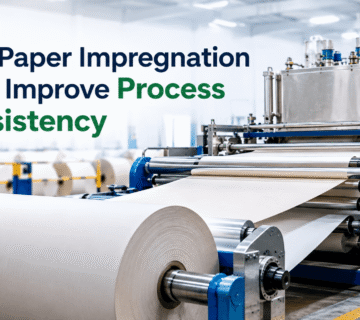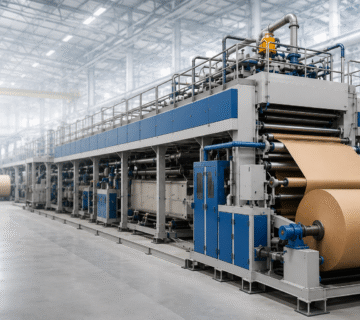
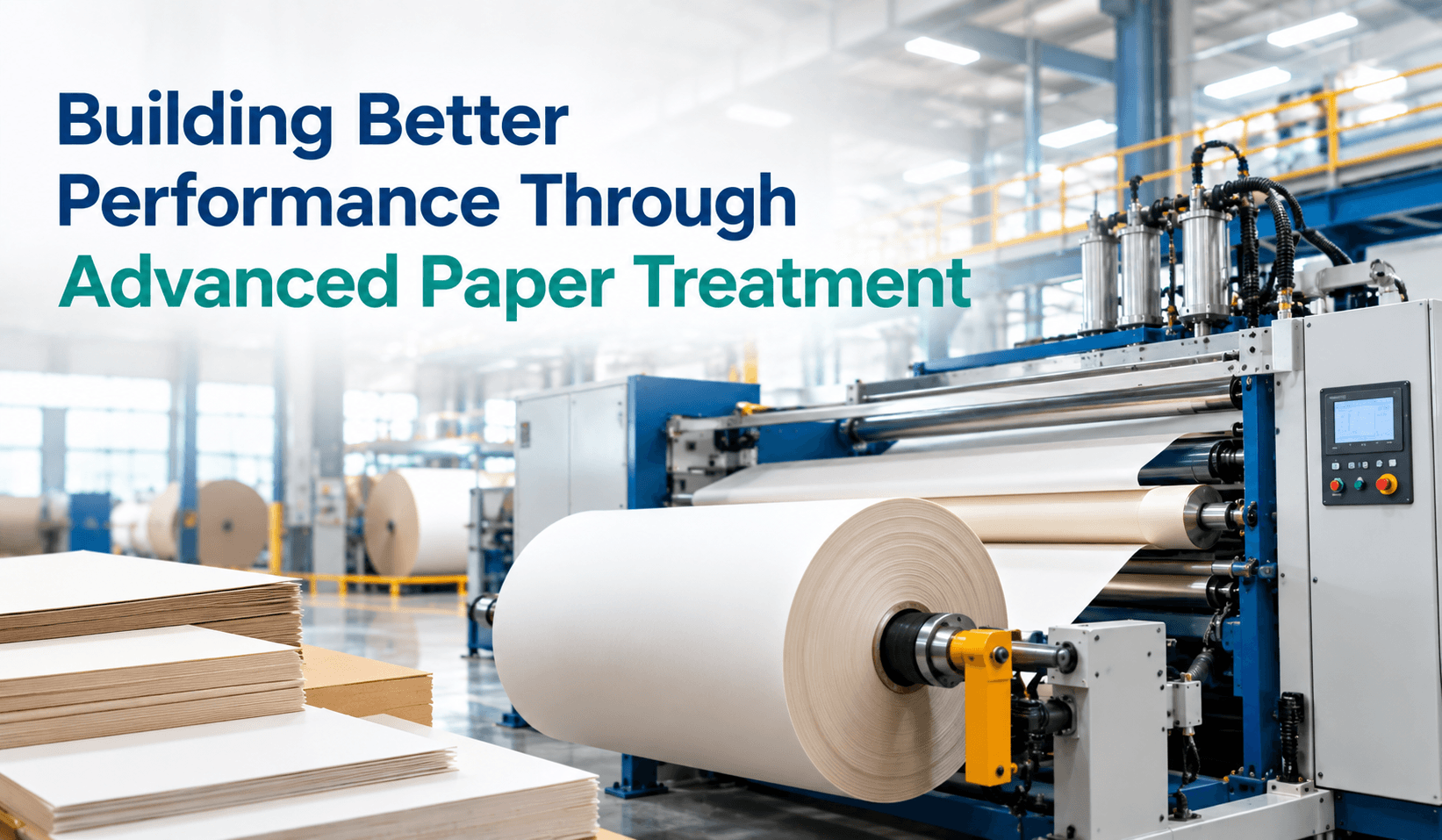
Paper used in electrical, insulation, and industrial applications often needs more than basic strength and flexibility. It may need improved resistance to heat, moisture, chemicals, and mechanical stress while maintaining consistent performance throughout its service life. This is where a well-controlled paper impregnation line becomes important. Ambica Industries works in this specialized field, supporting industrial requirements where treated paper must meet demanding performance expectations.
Why Paper Treatment Matters in Industrial Applications
Untreated paper can have useful physical properties, but certain applications require additional protection and stability. Treatment allows resin or other suitable materials to penetrate the paper structure and create characteristics that are difficult to achieve with untreated material alone.
The objective is not simply to coat the surface. Effective treatment requires controlled penetration, drying, curing, and handling so that the finished material achieves consistent characteristics.
Depending on the application, treatment can help improve:
- Electrical insulation performance
- Resistance to moisture and environmental exposure
- Mechanical stability
- Thermal endurance
- Dimensional consistency
- Compatibility with downstream manufacturing processes
The right process therefore depends on both the paper substrate and the performance requirements of the final application.
Understanding What Happens During Impregnation
A typical process involves introducing a suitable resin or insulating compound into the paper and then controlling the conditions under which excess material is removed and the treatment is stabilized. The resulting impregnated paper can offer improved functional properties compared with untreated material.
Several process variables influence the final result. Resin viscosity, temperature, line speed, drying conditions, and penetration depth all need to work together. Poor control of any one factor can lead to uneven treatment, insufficient penetration, excessive resin pickup, or inconsistent curing.
For industrial users, consistency is particularly important because variations within a treated roll can affect later converting, insulation, or assembly operations.
| Process consideration | Why it matters |
| Resin viscosity | Influences penetration and material pickup |
| Temperature control | Supports predictable flow and drying |
| Line speed | Affects treatment time and productivity |
| Drying and curing | Determines final stability and performance |
| Web tension | Helps maintain smooth and consistent processing |
Key Features to Evaluate in a Production System
Selecting equipment requires more than looking at nominal production capacity. The system should be assessed according to the characteristics of the material being processed and the required finished properties.
A practical evaluation should consider the degree of process control available. Temperature regulation, resin application, tension management, drying, and web handling can all influence product consistency.
It is also useful to consider how easily operators can monitor and adjust critical parameters. Clear controls and repeatable settings can help reduce process variation and make production easier to manage when material specifications change.
Maintenance requirements deserve attention as well. Accessible components, straightforward cleaning procedures, and dependable web handling can influence downtime and the overall practicality of the installation.
Choosing the Right Manufacturing Partner
When evaluating a paper impregnation line manufacturer, buyers should look beyond equipment specifications alone. The supplier’s understanding of the intended application can be equally important.
Start by defining the material and process requirements. Important questions include:
- What type of paper will be processed?
- Which resin or treatment material will be used?
- What thickness and width ranges are required?
- What level of production is expected?
- Which drying and curing conditions are necessary?
- What quality controls are required during production?
A suitable supplier should be able to discuss these factors clearly rather than treating every application as identical. Technical support, process knowledge, equipment configuration, and after-sales service should all form part of the evaluation.
Improving Consistency From Start to Finish
Process consistency begins before the material enters the treatment stage. Paper quality, storage conditions, resin preparation, and machine settings can all influence the final outcome.
Operators should establish repeatable procedures for checking important variables throughout production. Regular monitoring can help identify changes before they become significant quality problems.
It is also valuable to document operating conditions for different material specifications. Maintaining process records can make it easier to reproduce successful production settings and investigate deviations when they occur.
FAQs
What industries use treated paper?
Treated paper is commonly used in applications requiring enhanced electrical, thermal, mechanical, or environmental performance, including various insulation and industrial manufacturing processes.
Why is resin penetration important?
Adequate penetration helps the treatment material interact with the paper structure rather than remaining primarily on the surface. Consistent penetration can contribute to more predictable finished properties.
Does line speed affect treatment quality?
Yes. Line speed can influence how long the material remains within application, drying, and curing stages. It therefore needs to be balanced with the characteristics of the treatment material and substrate.
What should buyers consider before selecting equipment?
They should evaluate material specifications, resin characteristics, production capacity, process controls, drying requirements, maintenance, and technical support.
How can production consistency be improved?
Consistent raw materials, controlled process parameters, regular monitoring, proper maintenance, and documented operating procedures can help reduce variation.
Conclusion
Reliable industrial treatment depends on controlled processing rather than a single machine parameter. Understanding the substrate, treatment material, production requirements, and quality objectives helps businesses make better equipment decisions. A carefully designed paper impregnation process can support consistent material performance while fitting practical production needs. The key takeaway is to evaluate the complete process, not just individual equipment specifications, before making a long-term investment.