Modern manufacturing relies on processes that enhance material performance without compromising efficiency or consistency. One such process, often operating behind the scenes, is paper impregnation. It transforms ordinary paper into a high-performance material capable of meeting demanding industrial requirements. For sectors working with surfaces, panels, and engineered products, the role of a paper impregnation line manufacturer becomes closely tied to quality, durability, and large-scale production reliability.
Understanding the Paper Impregnation Process
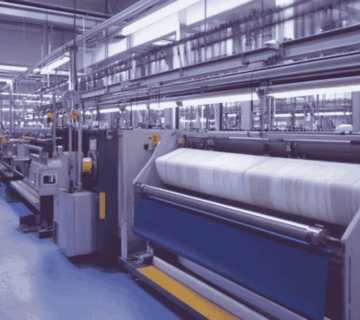
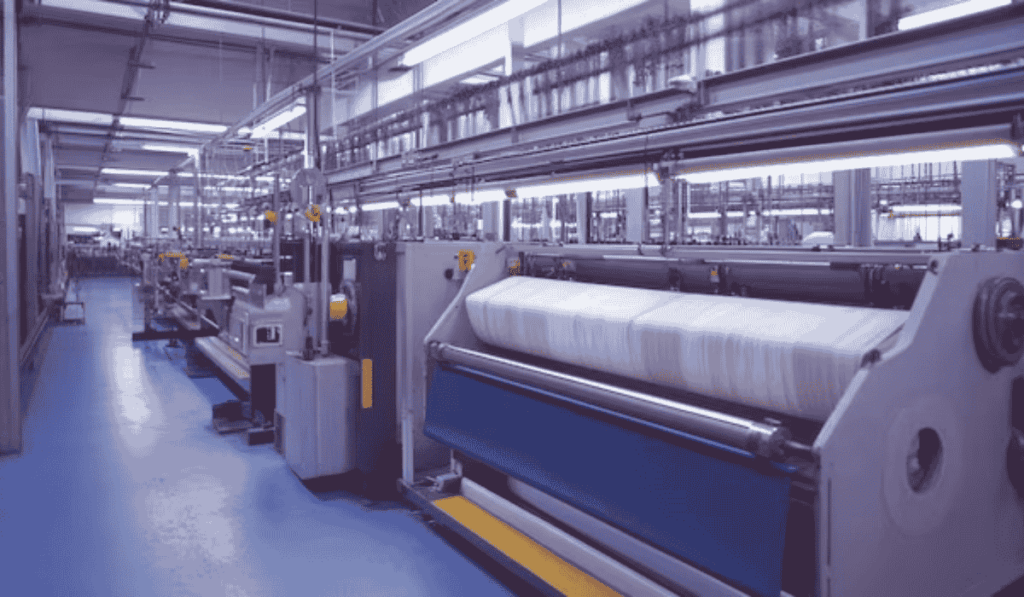
Paper impregnation involves saturating paper with synthetic resins under controlled conditions. Once impregnated, the paper is dried and cured, allowing the resin to bond permanently with the fibre structure.
This treatment changes the paper’s physical characteristics, enhancing strength, moisture resistance, and dimensional stability. The resulting material becomes suitable for applications that require far more than decorative value.
Why Impregnation Is Essential in Manufacturing
Untreated paper has limitations. It absorbs moisture easily, lacks structural resilience, and degrades quickly under stress. Impregnation addresses these weaknesses by reinforcing the paper at a molecular level.
The process ensures consistency across production batches, which is critical in industries where uniformity defines product quality. Impregnated paper behaves predictably during further processing, reducing waste and rework.
Role of Resin Technology in Performance Enhancement
The type of resin used directly influences the end material’s behaviour. Melamine, phenolic, and urea-based resins are commonly selected based on application requirements.
These resins improve heat resistance, surface hardness, and bonding capability. Their controlled absorption into paper fibres creates a balance between flexibility and rigidity, enabling diverse industrial uses.
Precision and Automation in Modern Systems
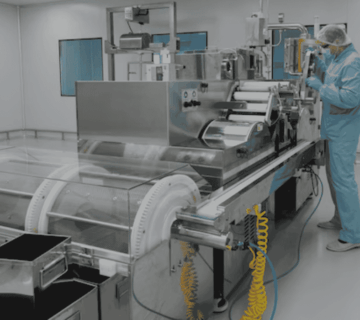
Contemporary impregnation lines are designed for precision. Parameters such as resin concentration, saturation time, drying temperature, and line speed are tightly regulated.
Automation ensures uniform resin distribution and consistent curing. This precision minimises variability and supports high-volume output without compromising material integrity.
Applications Across Multiple Industries
Impregnated paper is foundational to several manufacturing sectors. It is widely used in decorative laminates, engineered wood panels, and furniture surfaces.
In construction and interior design, impregnated décor layers provide aesthetic finish and surface protection. In industrial contexts, they contribute to performance-driven composite structures.
Importance of Process Control and Quality Assurance
Quality in impregnation is determined by control. Insufficient saturation or uneven curing can lead to defects such as blistering or delamination.
Manufacturers rely on robust monitoring systems to track moisture content, resin uptake, and curing profiles. These controls ensure the impregnated output meets strict performance benchmarks.
Integration With Downstream Manufacturing
Impregnated paper must integrate seamlessly with subsequent production stages. Whether pressed into laminates or bonded to substrates, compatibility is essential.
A well-calibrated paper impregnation machine ensures that the treated paper performs reliably during pressing, cutting, and finishing processes, supporting smooth downstream operations.
Efficiency and Resource Optimisation
Efficiency is a defining advantage of modern impregnation lines. Optimised resin usage reduces material waste, while energy-efficient drying systems lower operational costs.
These efficiencies contribute to sustainable manufacturing practices, aligning performance goals with responsible resource management.
Scalability for Industrial Demand
As demand fluctuates, impregnation systems must adapt. Scalable line configurations allow manufacturers to increase output without compromising consistency.
This scalability supports long-term production planning and helps manufacturers respond to market growth without redesigning core processes.
Regional Manufacturing Expertise and Industrial Growth
Industrial clusters with strong engineering capabilities often drive advancements in impregnation technology. Regions known for manufacturing excellence contribute to innovation, process refinement, and global supply chains.
Companies such as ambica industries have historically been associated with industrial machinery expertise, reflecting how regional knowledge supports specialised manufacturing solutions.
Long-Term Value in Product Performance
Impregnated paper enhances the lifespan of finished products. Resistance to moisture, wear, and heat reduces maintenance requirements and extends service life.
This durability translates into value for end users and reinforces the importance of impregnation in high-performance manufacturing.
Why Paper Impregnation Matters in Modern Manufacturing
- Enhances strength and moisture resistance
- Ensures consistency across large production runs
- Supports integration with composite and surface systems
- Improves efficiency and reduces material waste
- Extends lifespan of finished products
Conclusion: A Process That Strengthens Modern Manufacturing
Paper impregnation is not merely a treatment step; it is a foundational process that enables advanced material performance across industries. By reinforcing paper at a structural level, manufacturers achieve reliability, scalability, and consistency in finished products. As demand for engineered surfaces and composites continues to grow, impregnation machines remain central to meeting modern manufacturing standards. Within this industrial landscape, Ambica Industries reflects the importance of engineering-led solutions that support precision, efficiency, and long-term production value.